Growing Out of People-pleasing
When we have a sensitive nervous system and a tender heart, it is very understandable that we might develop a strategy of protecting ourselves by sacrificing what we need or want, think or feel in order to keep the other person happy. In this way, we don't experience the painful or, sometimes, distressing feelings that can arise when we realise that we have done or said something (or not done or said something) that has displeased the other person.
If I, as a small child, teach myself to prioritise 'pleasing and appeasing' authority figures (parents, older siblings, teachers, etc.) or peers, I can effectively avoid the dysregulation that comes with detecting that someone is not happy with me. Or I can maintain a sense of connection with others that I might predict could be jeopardised if I insist on having things the way that I prefer them.
Mission accomplished. I feel safe.
In time, however, this takes its toll on us. Resentment can build when our needs are not met. And we can grow up to be adults who don't actually know what we want, need, feel or think because we have sacrificed these things in favour of keeping people onside or happy or comfortable.
When working on this issue with clients in my therapy room (which is a common occurrence, given I work almost exclusively with ADHDers and HSPs), I will ask "When people ask you what you want for your birthday, do you know the answer?" or "If someone asks you which restaurant you would recommend, can you easily answer?" More often than not, the answer is "no." People often tell me that their mind is completely blank in response to questions such as these.
If this sounds familiar and you would like to do something about changing this way of being in the world, the solutions are pretty simple.
And it is not as scary as you might think to start making changes.
Step One
Begin asking yourself:
What do I think?
What do I feel?
What do I need?
What do I want?
Start bringing your attention back to you. Get curious. Listen to the answers. Be patient when there aren't any clear answers. Get used to asking yourself for this information, regardless.
The answers to these questions will take time to develop. What I ask my clients to do is to set a reminder at least twice per day and, when it sounds, ask yourself two of these questions (whichever two seem most relevant in the situation in which you find yourself).
Over time you will build your awareness of what you need, want, don't want, feel, think, don't think, etc.
And when you feel like you are developing greater awareness of yourself in this way, you can move onto:
Step Two
Instead of moving through the world asking yourself:
"what's the right thing to do?" (i.e. to keep everyone happy and not mad with me)
start asking yourself
"what's the right thing for me?"
Identify what you need. Or don't need. Where possible, and if you have the energy to try a new skill, make a choice that is aligned with your needs or even wants, at least some of the time.
Obviously, if you are a parent to young children, this is only going to be possible a certain percentage of the time. Equally, if you are an employee or caring for sick or elderly family members it is not always possible to make choices aligned with your needs.
But start looking for the opportunities, whatever your situation.
Guilt is likely to arise in response to placing your needs equal to another person's needs. See if you can resist believing what it is trying to say to you. It is accustomed to you being self-sacrificing and it will believe that you are doing the wrong thing by giving this behaviour up. If you can stay the course, the guilt goes away as your mind adjusts to this new way of being in the world.
Change like this is simple but never easy. With practice, over time, it is achievable. I identify myself as a reformed people-pleaser (well, most of the time) and have helped many other people learn how to be, too, by practicing being more aligned with them self than with everyone else.
Will this make you selfish? Maybe you could give it a try and find out for yourself?
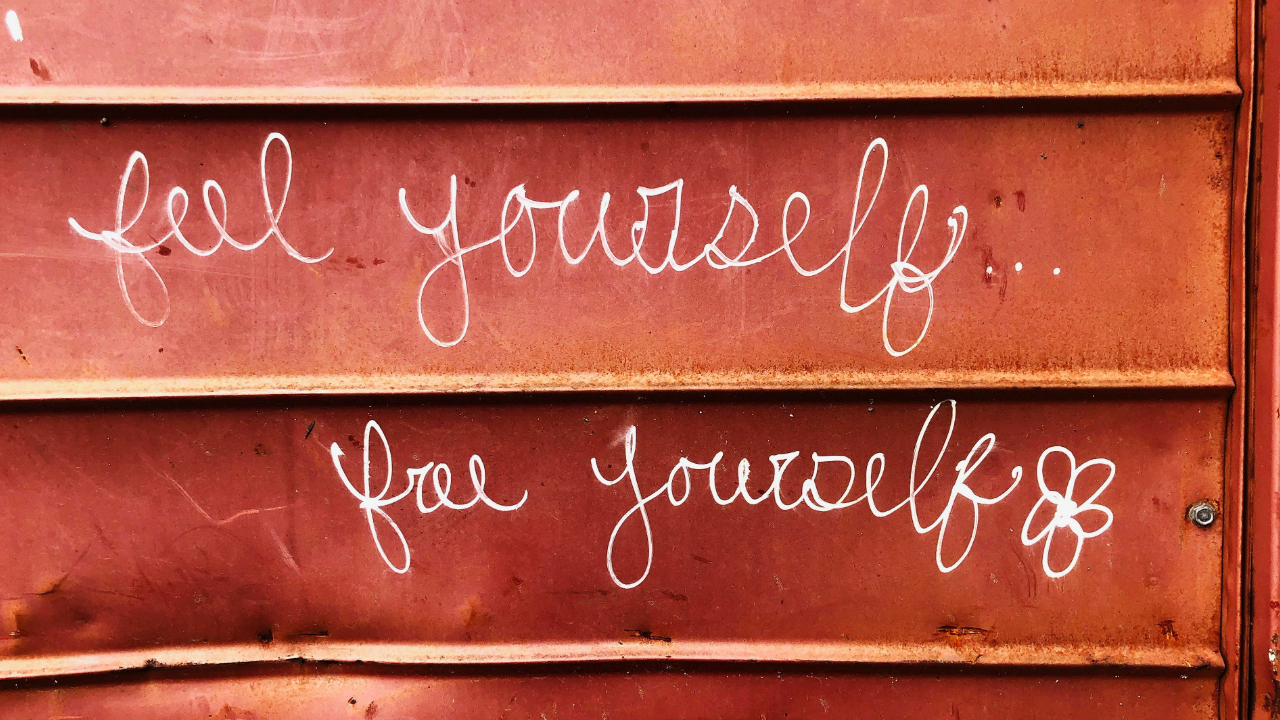
Photo sourced from Unsplash